
At STG, product data was available, but not usable in a way that supported decision-making.
Supplier information arrived in large volumes, often as separate files stored across systems and departments. New products and price changes were difficult to track, and even harder to assess in context.
■
[ The effect ]Limited visibility into available and new products
Assortment decisions based on incomplete information
Products entering the ERP without clear selection
Significant manual effort to collect, compare and validate data
Everyone depended on product data. But there was no clear process to guide what should be used and what should move forward.
[ the solution ]With Lentilo, product data became part of a structured and controlled flow.
All supplier data is brought together in one environment where it becomes visible across the organisation. Not as static information, but as input for selection and decision-making.
Key elements of the solution:
Product data is centralised and immediately visible
New products and price changes are automatically identified
Data is routed to the right people for review and evaluation
Assortment decisions are made based on shared and up-to-date information
Only selected and validated products are passed to the ERP
Suppliers can contribute and update product data within defined boundaries
This creates a controlled flow of product data from supplier to assortment.
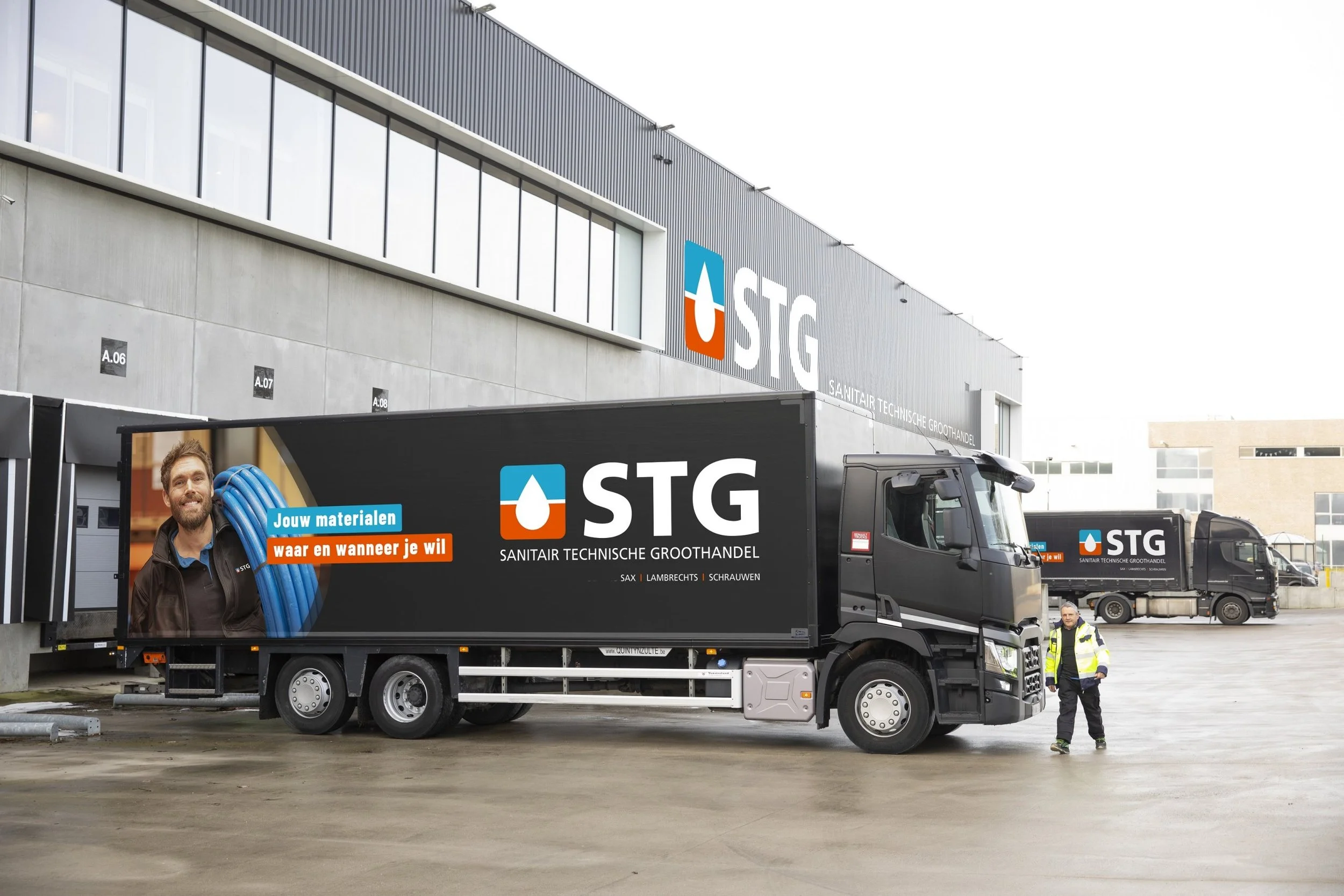

[ The result ]Product data is no longer something that is processed afterwards. It is actively used to guide decisions.
Direct visibility into new products and price changes
Faster and better-informed assortment decisions
Reduced manual work in collecting and validating data
Clear ownership of who evaluates and approves product data
Only relevant and validated products enter the ERP
The organisation no longer works around product data.
Product data supports how the organisation works.

[ The impact ]With Lentilo, STG moved from fragmented data handling to structured decision-making.
Product data is shared across the organisation. Departments work with the same information. Suppliers become part of the process instead of a disconnected source.
Product data is no longer just managed. It is used to decide what moves forward.
“We now work from one shared view of product data. That allows us to make faster and better decisions about what enters our assortment.”